
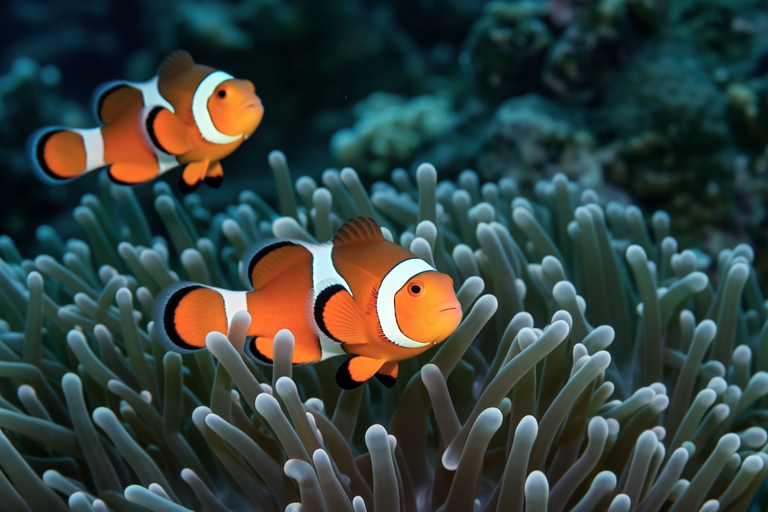
Top 10 Myths About Clownfish Debunked Once and For All
Clownfish, also known as anemonefish, have captured the hearts of many thanks to their starring role in the animated film Finding Nemo. These small, vibrant fish are popular among aquarium enthusiasts and are often admired for their unique relationship with sea anemones. However, despite their widespread appeal, there are several misconceptions about these fascinating creatures. In this article, we will explore and debunk ten common myths about clownfish, providing you with accurate information based on scientific research.
Myth 1: Clownfish Can Only Live in Sea Anemones
One of the most enduring myths about clownfish is that they can only survive within the protective arms of sea anemones. While it is true that clownfish have a symbiotic relationship with certain types of sea anemones, they are not entirely dependent on them for survival. Studies have shown that clownfish can thrive in environments without anemones, though they may be less protected from predators. This misconception likely stems from the close association depicted in movies and documentaries, which emphasizes their mutualistic relationship.
Myth 2: Clownfish Always Change Gender
A frequently mentioned myth about clownfish is that they always change gender throughout their lives. While it is true that clownfish exhibit a type of sequential hermaphroditism, not all individuals necessarily undergo a full gender transformation. Typically, in a group of clownfish, the largest individual is female, the second-largest is male, and the remaining smaller fish are immature. If the female dies, the male can change sex and become the new dominant female, but this does not happen automatically or universally.
Myth 3: Clownfish Are Naturally Aggressive
Another common myth is that clownfish are inherently aggressive. In reality, clownfish tend to be peaceful and territorial rather than aggressive. Their behavior can sometimes be mistaken for aggression when they defend their territory or host anemone from other clownfish or potential threats. However, this defensive behavior is more about protecting their home and resources rather than being inherently aggressive towards all other creatures.
Myth 4: Clownfish Can Survive Any Water Conditions
It is often believed that clownfish can tolerate any water conditions, making them ideal for beginner aquarists. While clownfish are relatively hardy compared to some other saltwater species, they still require specific water parameters to thrive. Maintaining stable temperatures between 76-82°F (24-28°C), pH levels around 8.1-8.4, and salinity of approximately 1.020-1.025 is crucial for their health. Neglecting these requirements can lead to stress, disease, and even death.
Myth 5: Clownfish Can’t Be Kept With Other Fish
There is a misconception that clownfish cannot coexist with other fish in an aquarium setting. While it is advisable to avoid housing clownfish with overly aggressive or large predatory species, many compatible tank mates can share space with clownfish. Some suitable companions include other peaceful marine fish like damsels, wrasses, and smaller angelfish. Proper research and planning are necessary to ensure a harmonious community tank.
Myth 6: Clownfish Are Easy to Breed in Captivity
Breeding clownfish in captivity is often thought to be straightforward, but it can be quite challenging. Successful breeding requires specific environmental conditions, including appropriate water quality, temperature, and diet. Additionally, clownfish need to establish a strong pair bond before they will spawn. Even after spawning, raising the fry to adulthood demands meticulous care and attention to detail. Patience and dedication are key for those interested in breeding clownfish.
Myth 7: Clownfish Are Naturally Colorful Due to Diet
The vibrant colors of clownfish are sometimes attributed to their diet. While diet can influence coloration in some fish species, the bright hues of clownfish are primarily determined by genetics. Their distinctive patterns and colors serve as a form of camouflage and communication within their natural habitat. Feeding them a balanced diet rich in nutrients is important for overall health, but it won’t significantly alter their inherent coloration.
Myth 8: Clownfish Are Immune to Anemone Stings
Many believe that clownfish are immune to the stinging cells of sea anemones. While clownfish have developed a resistance to anemone stings through a process involving mucus coating and behavioral adaptation, they are not completely immune. Over time, clownfish have evolved to produce a protective layer of mucus that prevents anemone nematocysts from firing. Nonetheless, they can still experience minor irritation if they venture too far outside their host anemone or come into contact with different species of anemones.
Myth 9: Clownfish Are Endangered Due to Popularity
Some worry that the rising popularity of clownfish as pets has led to their endangerment. While overharvesting from wild populations was once a concern, responsible aquaculture practices have helped mitigate this issue. Many clownfish species bred in captivity are now available, reducing the demand for wild-caught specimens. However, it is still essential to purchase clownfish from reputable sources that prioritize sustainable practices to protect wild populations.
Myth 10: Clownfish Require Constant Feeding
Finally, there is a misconception that clownfish need constant feeding to stay healthy. While clownfish do require regular meals, overfeeding can lead to obesity, poor water quality, and increased susceptibility to diseases. Providing small, frequent feedings or larger meals every other day, depending on the size of the tank and number of fish, is generally sufficient. It is crucial to monitor their eating habits and adjust feeding schedules accordingly.
Conclusion: Proper Care for Your Clownfish
Whether you’re a novice fish enthusiast or an experienced aquarist, understanding the true nature of clownfish can greatly enhance your enjoyment of these captivating creatures. By debunking these common myths, we hope to provide you with a clearer picture of what it takes to keep clownfish healthy and happy in your aquarium. Remember to maintain optimal water conditions, offer a varied diet, and carefully select tank mates. Additionally, consider supporting ethical breeding practices to contribute positively to the conservation of marine life.
We encourage everyone to delve deeper into the world of marine biology and continue learning about the wonders of our oceans. There is always more to discover, and your curiosity could lead to new insights and discoveries that benefit both science and the environment.