
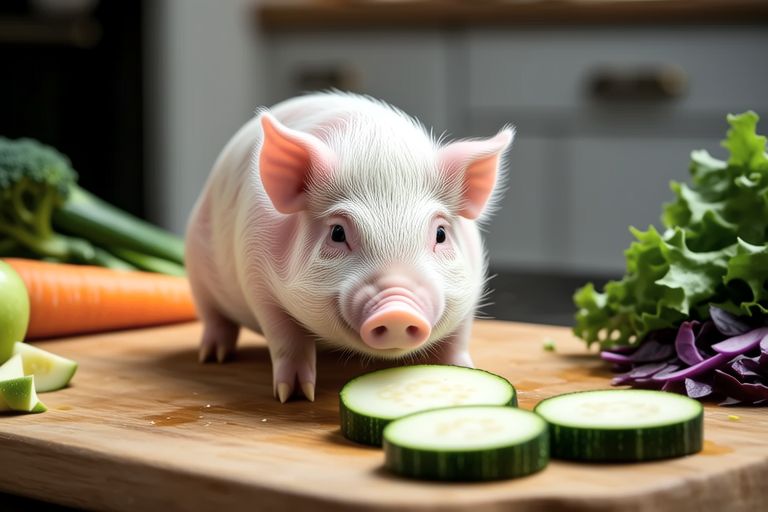
Secrets of a Healthy Diet: Feeding Tips for Your Guinea Pig
Welcome to the wonderful world of guinea pig care! These adorable little creatures are not just pets; they are companions who require special attention when it comes to their diet. A well-balanced diet is crucial for your guinea pig’s health and happiness. This guide will provide you with all the necessary information to ensure that your guinea pig thrives.
The Importance of Hay
Hay is the cornerstone of your guinea pig’s diet. It aids digestion, prevents dental issues, and keeps your pet occupied. Timothy hay is generally recommended for adult guinea pigs, while younger ones can enjoy alfalfa hay, which is higher in calcium and protein. Always offer fresh hay daily, as it helps maintain a healthy digestive system and supports proper teeth wear.
Vitamins and Fresh Vegetables
Guinea pigs cannot produce their own vitamin C, making it essential to include this nutrient in their diet. Fresh vegetables like bell peppers, kale, and parsley are excellent sources of vitamin C. However, it’s important to introduce new vegetables gradually to avoid digestive upset. Offer a variety of vegetables daily, but remember to wash them thoroughly to remove any pesticides or dirt.
Portion Sizes and Frequency
Guinea pigs should be fed small portions of pellets and vegetables throughout the day. Stick to high-quality pellets designed specifically for guinea pigs, and avoid those containing seeds or nuts. Limit the amount of pellets to about 1/8 cup per day for an adult guinea pig, adjusting according to the size and age of your pet. Fresh vegetables should make up around 10% of their daily intake, with hay comprising the majority.
Potential Food Hazards
While some human foods may seem safe, they can be harmful to guinea pigs. Avoid feeding them iceberg lettuce, as it has minimal nutritional value and can cause diarrhea. Citrus fruits should also be avoided due to their high acidity, which can irritate the digestive tract. Chocolate, caffeine, and other sugary treats are strictly off-limits, as they can lead to obesity and other health problems.
Introducing New Foods Safely
When introducing new foods, start by offering small amounts over several days. Monitor your guinea pig for any signs of discomfort, such as lethargy, bloating, or changes in stool consistency. If you notice any adverse reactions, discontinue the new food immediately and consult your veterinarian.
Maintaining Water Quality
Water is vital for your guinea pig’s health. Provide clean, fresh water daily, either in a sipper bottle or a heavy ceramic dish to prevent tipping. Change the water at least once a day, more often if the water becomes dirty. Consider adding a water filter to ensure the best quality for your pet.
Feeding Schedule
Feed your guinea pig twice a day, once in the morning and once in the evening. This routine mimics their natural grazing habits and helps regulate their metabolism. Always remove uneaten food after each feeding to prevent spoilage.
Supplements and Treats
Although guinea pigs can’t produce their own vitamin C, it’s important to ensure they get enough through their diet. Pellets fortified with vitamin C are available, but they should be stored properly to prevent degradation. Supplements can also be given, but always consult your vet before adding anything new to your pet’s diet.
Caring for Your Guinea Pig’s Teeth
Your guinea pig’s teeth grow continuously throughout their life. Providing plenty of hay and chew toys can help keep their teeth worn down naturally. If you notice any overgrowth, consult your veterinarian, who may recommend professional trimming.
Monitoring Weight and Health
Regularly check your guinea pig’s weight and overall health. Signs of poor diet or illness include weight loss, dull fur, and lethargy. If you notice any concerning symptoms, seek veterinary care promptly.
Conclusion
By following these feeding tips, you can ensure that your guinea pig enjoys a healthy and balanced diet. Remember, a happy guinea pig is a healthy guinea pig. With love, care, and attention to their dietary needs, you’ll have a companion that brings joy and warmth to your home for many years to come.