
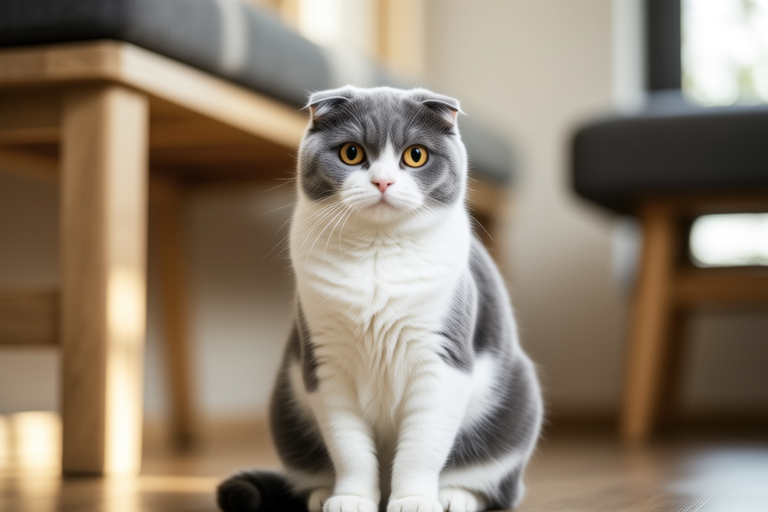
The Ultimate Guide to Living with a Loving and Lovable Scottish Fold
Welcome to the world of Scottish Folds! These charming and endearing cats have captured the hearts of many with their unique appearance and delightful personalities. This comprehensive guide will help you understand and care for your Scottish Fold, ensuring a happy and healthy life together.
Understanding the Unique Physical Traits of Scottish Folds
Scottish Folds are known for their distinctive folded ears, which give them an owl-like appearance. This trait is caused by a genetic mutation that affects the cartilage in their ears. Not all kittens born to Scottish Fold parents will have folded ears; some may have straight ears or ears that fold later in life. The folded ears can be single-folded (a soft bend), double-folded (a tighter bend), or triple-folded (the most pronounced bend). Their large, round eyes and compact bodies add to their unique charm. Their coats come in various colors and patterns, and they can have either short or long hair, making each individual Scottish Fold truly one-of-a-kind.
Temperament and Interaction with Humans
Scottish Folds are generally friendly, gentle, and affectionate. They enjoy the company of their human families and often form strong bonds with their owners. These cats are not overly demanding but do appreciate regular attention and interaction. They are known for their calm demeanor and adaptability, making them suitable companions for both busy households and quieter environments. Scottish Folds are curious and playful, especially during their kittenhood. They enjoy interactive toys and games, which can help keep them mentally stimulated and physically active.
Dietary Needs
Like all cats, Scottish Folds require a balanced diet rich in proteins, fats, vitamins, and minerals. High-quality cat food formulated for your cat’s specific life stage (kitten, adult, senior) is essential. Avoid feeding your Scottish Fold table scraps or foods that are toxic to cats, such as chocolate, onions, garlic, and grapes. Fresh water should always be available. Obesity can be a concern for Scottish Folds, so monitor their weight and adjust their diet accordingly. Consult your veterinarian for personalized dietary recommendations based on your cat’s age, activity level, and overall health.
Grooming Tips
Grooming is an important aspect of caring for your Scottish Fold. Short-haired Scottish Folds require weekly brushing to remove loose fur and prevent matting. Long-haired Scottish Folds need more frequent grooming, ideally daily, to maintain a clean and tangle-free coat. Pay special attention to their ears, which can accumulate dirt and debris due to their unique shape. Clean their ears gently with a damp cloth, being careful not to insert anything into the ear canal. Regular nail trimming, dental hygiene, and eye cleaning are also part of good grooming practices. Grooming sessions can be a bonding experience for you and your cat, fostering trust and strengthening your relationship.
Common Health Issues
While Scottish Folds are generally healthy, they are prone to certain health issues. Osteochondrodysplasia, the genetic condition responsible for their folded ears, can also affect their joints and bones. This can lead to arthritis or other joint problems, particularly in the tail, spine, and legs. Early signs of discomfort include difficulty jumping or walking, stiffness, or reluctance to move. Regular veterinary check-ups can help monitor your cat’s joint health. Other potential health concerns include obesity, dental disease, and heart conditions. Maintaining a healthy weight and schedule for vaccinations, parasite control, and routine examinations can contribute to your Scottish Fold’s longevity and well-being.
Training Methods
Training your Scottish Fold can enhance your bond and ensure a harmonious living environment. Positive reinforcement techniques, such as rewarding desired behaviors with treats or praise, are effective. Scottish Folds can learn to use a scratching post, come when called, and even perform simple tricks. Consistency is key in training. Establish routines for feeding, playtime, and grooming to provide structure and predictability. Engage your cat in interactive play sessions using toys that stimulate their hunting instincts. This not only helps in training but also keeps your Scottish Fold mentally and physically engaged.
Advice for Creating a Stimulating Environment
Creating a stimulating environment for your Scottish Fold is crucial for their happiness and well-being. Provide plenty of vertical spaces, such as cat trees, shelves, or window perches, where they can observe their surroundings and feel secure. Interactive toys, puzzle feeders, and scratching posts offer mental and physical stimulation. Rotate toys regularly to keep your cat interested and engaged. Consider incorporating elements that mimic their natural habitat, like tunnels or hiding spots, to encourage exploration and play. Additionally, ensure your home is safe for your cat, free from hazardous chemicals, small objects that could be swallowed, and areas where they might get trapped or injured.
Emphasizing the Bond Between Owner and Pet
The bond between you and your Scottish Fold is at the heart of your shared life. Spend quality time with your cat, engaging in activities that both of you enjoy. Whether it’s cuddling, playing, or simply sitting together, these moments strengthen your connection. Be patient and understanding, recognizing that your cat has its own preferences and needs. By providing love, care, and attention, you can foster a deep and lasting bond with your Scottish Fold. Remember, the joy and companionship they bring into your life are priceless.
This guide offers practical insights and advice for both new and experienced owners of Scottish Folds. By understanding their unique traits, meeting their needs, and nurturing your bond, you can ensure a fulfilling and joyful life together. Embrace the love and loyalty of your Scottish Fold, and cherish the special moments you share.