
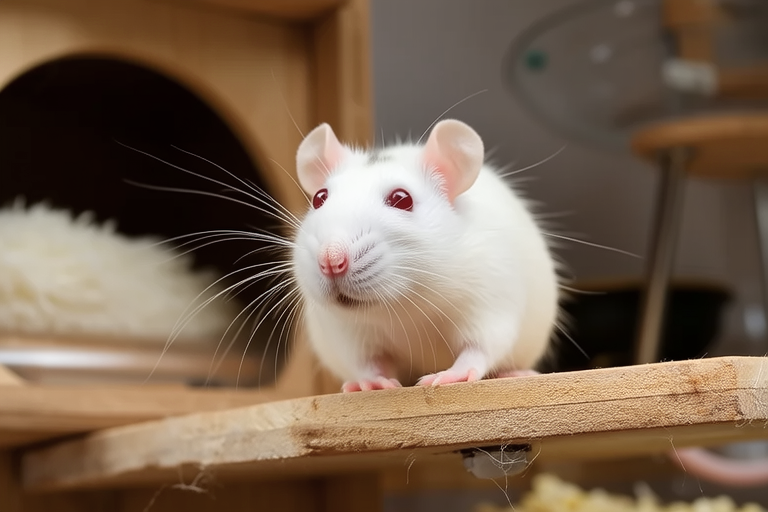
Fancy Rat Care: Top Tips for First-Time Owners
Welcome to the wonderful world of fancy rat ownership! These intelligent, social, and playful creatures make fantastic pets for those who are willing to invest time and effort into their care. This guide will provide you with essential information on housing, diet, health care, socialization, grooming, and common behaviors of fancy rats. By following these tips, you’ll be well-equipped to create a healthy and happy environment for your new furry friends.
Housing: Creating a Comfortable Home for Your Fancy Rat
When it comes to housing your fancy rats, it’s crucial to choose a cage that provides ample space for them to move around, play, and exercise. A minimum cage size of 18 inches by 24 inches by 12 inches high is recommended for one or two rats. However, if you plan to keep more than two rats, consider getting a larger cage or multiple cages.
The cage should have solid flooring to prevent injury from wire floors. Line the bottom with bedding material such as recycled paper, aspen shavings, or fleece. Avoid cedar and pine shavings as they can irritate your rat’s respiratory system. Additionally, ensure proper ventilation and secure the cage to prevent escape attempts.
Provide plenty of toys, tunnels, and climbing structures to keep your rats mentally stimulated and physically active. Cardboard boxes, tissue paper rolls, and untreated wooden chew toys are excellent options. Rats are curious and enjoy exploring, so rotate their toys every few weeks to maintain their interest.
Diet: Nourishing Your Fancy Rat
A balanced diet is vital for maintaining your fancy rat’s health. The foundation of their diet should be a good quality rat block or pellet food, which contains all necessary nutrients. Supplement this with fresh fruits and vegetables, such as apples, carrots, and leafy greens. Offer small portions of these treats daily, as too much can lead to obesity.
Provide a constant supply of fresh water, either through a sipper bottle or a heavy ceramic dish that won’t tip over. Check the water source regularly to ensure it remains clean and free of contaminants.
Be cautious about what human foods you offer your rats. While some are safe, others can be toxic or cause digestive issues. Avoid feeding chocolate, caffeine, alcohol, avocado, and raw potato, among other potentially harmful items. Always research before introducing new foods to your pet’s diet.
Health Care: Ensuring Your Fancy Rat Stays Happy and Healthy
Regular veterinary check-ups are essential for early detection and prevention of health problems. Find a veterinarian experienced with exotic pets, particularly those specializing in rodents. Schedule annual visits and bring your rat in immediately if you notice any unusual symptoms, such as weight loss, lethargy, or discharge from the eyes or nose.
Maintain good hygiene by cleaning the cage and changing bedding at least once a week. Wash food and water dishes daily to prevent bacterial growth. Regularly trim your rat’s nails to avoid overgrowth, which can lead to discomfort or difficulty walking.
Monitor your rat’s behavior and physical condition closely. Rats are prone to certain health issues, including respiratory infections, dental problems, and tumors. Early intervention can significantly improve outcomes. Familiarize yourself with common signs of illness and don’t hesitate to consult a vet if you’re concerned.
Socialization: Encouraging Interaction and Bonding
Fancy rats are highly social animals that thrive on interaction and companionship. Spend time handling and playing with your rats each day to strengthen your bond. Begin by allowing them to get used to your scent and voice. Gently pick them up, supporting their body with both hands, and let them explore your lap or a safe area.
If you have multiple rats, ensure they have opportunities to interact with each other. Rats are social creatures and enjoy the company of their own kind. Introduce new rats gradually to prevent aggression or stress. Observe their interactions closely and intervene if necessary.
Handle your rats frequently and gently to build trust. They may initially be skittish but will become more comfortable with consistent positive reinforcement. Reward good behavior with treats and praise to encourage bonding.
Grooming: Maintaining Your Fancy Rat’s Appearance
Rats are generally self-grooming, but there are still a few grooming tasks you should perform regularly. Brush your rat’s coat weekly with a soft brush to remove loose hair and prevent matting. Check their ears for dirt or debris and gently wipe them with a damp cloth if needed.
Trim your rat’s nails when they become too long, using nail clippers designed for small animals. Be careful not to cut the quick, which contains blood vessels and nerves. If you’re unsure, ask your veterinarian for guidance. Clean their teeth regularly by providing chew toys and a balanced diet rich in crunchy foods.
Keep your rat’s eyes and nose clean by wiping them with a warm, damp cloth if necessary. Monitor their skin for any signs of irritation or infection, such as redness, swelling, or discharge. Address any issues promptly to prevent complications.
Common Behaviors: Understanding Your Fancy Rat
Fancy rats exhibit a range of interesting behaviors that reflect their natural instincts and personalities. One of the most endearing traits is their curiosity; they love to explore new environments and investigate objects. Provide a variety of toys and hiding spots to satisfy this urge.
Rats are also known for their playful nature. They enjoy running, jumping, and chasing each other. You can encourage playtime by setting up obstacle courses or providing tunnels for them to navigate. Rats are intelligent and can learn tricks with patience and positive reinforcement.
Another common behavior is scent marking. Rats use urine and glands near their anus to mark territory. While this is normal, it can sometimes result in unwanted odors. Proper cage cleaning and providing sufficient space can help minimize marking.
Responsibilities of Ownership: What to Expect
Owning a fancy rat comes with several responsibilities that must be taken seriously. These include providing adequate housing, nutrition, and medical care, as well as ensuring their safety and well-being. Be prepared for the commitment involved in caring for these animals, including regular cleaning, grooming, and socializing.
Respect the lifespan of your fancy rat, which typically ranges from two to three years. This relatively short life expectancy means that your bond with your pet will be intense and meaningful. Cherish the time you have together and make the most of it.
Addressing Common Misconceptions
One common misconception about fancy rats is that they carry diseases. While it’s true that rats can carry bacteria like Salmonella, proper hygiene and handling can prevent transmission. Another myth is that rats are dirty animals. In reality, rats are naturally clean and spend much of their time grooming themselves.
Some people believe that rats are aggressive or dangerous. In truth, rats are generally docile and gentle when handled correctly. Aggression is rare and usually results from fear or pain. With proper socialization and care, rats can be loving and affectionate pets.
Finally, it’s important to recognize that rats are not just ‘cute’ but intelligent and capable of forming strong bonds with their owners. Treat them with respect and kindness, and they will reward you with loyalty and companionship.
In conclusion, fancy rats make wonderful companions for those willing to meet their needs and care for them properly. By understanding their housing, dietary, healthcare, socialization, grooming, and behavioral requirements, you can ensure a lifetime of happiness and health for your pet. Embrace the joys and challenges of fancy rat ownership, and you’ll find yourself enriched by the unique relationship you share with these delightful creatures.