
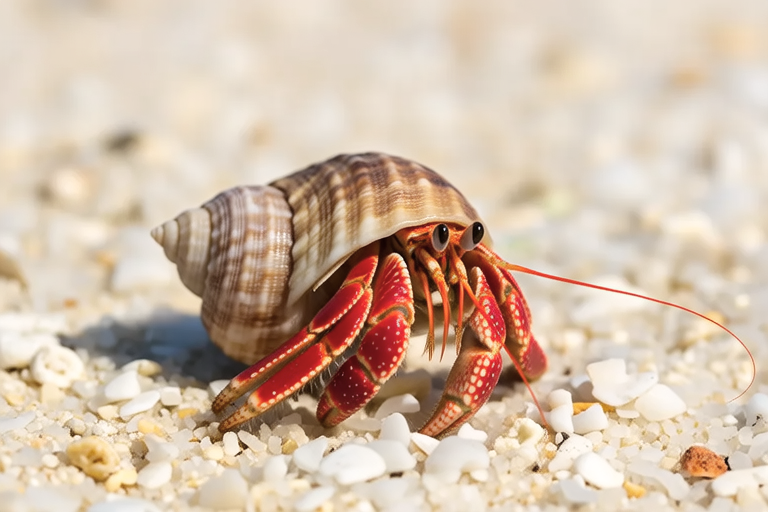
Hermit Crab Care Tips That Will Make Your Pet Happier and Healthier
Hermit crabs are fascinating creatures that have captured the hearts of many pet owners. These unique crustaceans require specific care to thrive in captivity. This article provides comprehensive tips on how to create a suitable environment, ensure proper nutrition, handle your hermit crab correctly, recognize signs of good health, address common health issues, and provide enriching activities. By following these guidelines, you can ensure your hermit crab lives a happy and healthy life.
Setting Up the Perfect Habitat
Mimicking the natural environment of hermit crabs is crucial for their well-being. Start by selecting an appropriately sized tank; a 10-gallon aquarium is ideal for a small group. The substrate should be deep enough for burrowing, typically around four inches. Coconut fiber or a mix of sand and soil works best, as it retains moisture better than pure sand. Avoid calcium-based substrates like crushed coral, as they can cause shell damage.
In addition to the substrate, include plenty of hiding spots such as cork bark, driftwood, and artificial caves. These provide security and reduce stress. A shallow water dish filled with dechlorinated saltwater should also be present, allowing your hermit crab to hydrate and clean its exoskeleton. Lastly, ensure adequate ventilation with a screen lid to prevent escape while maintaining humidity levels.
Temperature and Humidity Requirements
Hermit crabs thrive in tropical conditions. Maintain a temperature range between 75°F and 85°F (24°C to 29°C) using under-tank heating pads or heat lamps. Place thermometers at various locations within the enclosure to monitor temperature variations accurately. Avoid placing the tank near windows or direct sunlight, which can lead to overheating.
Humidity plays a vital role in hermit crab health. Aim for 70% to 80% relative humidity using a hygrometer. Achieve this through regular misting, a large water dish, and adding damp moss to the enclosure. Proper humidity ensures molting success and prevents dehydration.
Dietary Needs
A balanced diet is essential for hermit crab health. Offer a variety of foods, including fresh fruits (bananas, apples), vegetables (carrots, spinach), and protein sources (boiled eggs, fish). Hermit crabs enjoy calcium supplements for strong shells, available in the form of cuttlebone or calcium-rich vegetables. Commercial hermit crab food can complement their diet but should not replace fresh options.
Provide fresh water daily, changing it every few days to prevent bacterial growth. Hermit crabs absorb moisture through their gills, so access to clean water is critical. Avoid chlorinated tap water; use bottled spring water or treat tap water with a dechlorinator.
Handling Techniques
Handle hermit crabs gently to avoid injury. Always wash your hands before and after interaction to prevent transferring oils or chemicals. Support the entire body when picking up your pet, avoiding excessive squeezing. If your hermit crab retreats into its shell, wait until it re-emerges before attempting to pick it up again.
Some hermit crabs may pinch if threatened. To discourage this behavior, offer treats during interactions and establish trust gradually. Never pull a hermit crab out of its shell forcibly, as this can cause severe harm.
Signs of a Healthy Hermit Crab
A healthy hermit crab displays vibrant colors, active movement, and a clean shell. Regular molting is another sign of good health, indicating proper hydration and nutrition. Observe your hermit crab’s behavior regularly; lethargy, loss of appetite, or unusual movements might indicate underlying issues.
Common Health Issues
Parasites, shell rot, and improper molting are common health concerns for hermit crabs. Shell rot occurs when the exoskeleton becomes infected, leading to discoloration or soft spots. Address this issue promptly by improving hygiene practices and consulting a veterinarian specializing in exotic pets.
Improper molting can result from inadequate humidity or nutrition. Ensure optimal conditions and consult a professional if problems persist. Regular vet check-ups help maintain your hermit crab’s health and catch potential issues early.
Enrichment Activities
Providing mental stimulation is crucial for hermit crab happiness. Rotate toys and hiding spots periodically to keep them engaged. Introduce new objects occasionally, ensuring they are safe and non-toxic. Hermit crabs enjoy exploring novel environments, so consider creating tunnels or mazes within the enclosure.
Social interaction is another important aspect of hermit crab enrichment. If possible, house multiple hermit crabs together, as they are naturally social creatures. However, ensure compatibility and provide ample space and resources to minimize competition.
Conclusion
By understanding the needs of hermit crabs and providing appropriate care, you can significantly enhance their quality of life. Remember to mimic their natural environment, maintain proper temperature and humidity, offer a balanced diet, handle them gently, recognize signs of good health, address common health issues promptly, and provide enriching activities. With dedication and attention to detail, you’ll foster a thriving community of happy and healthy hermit crabs.