
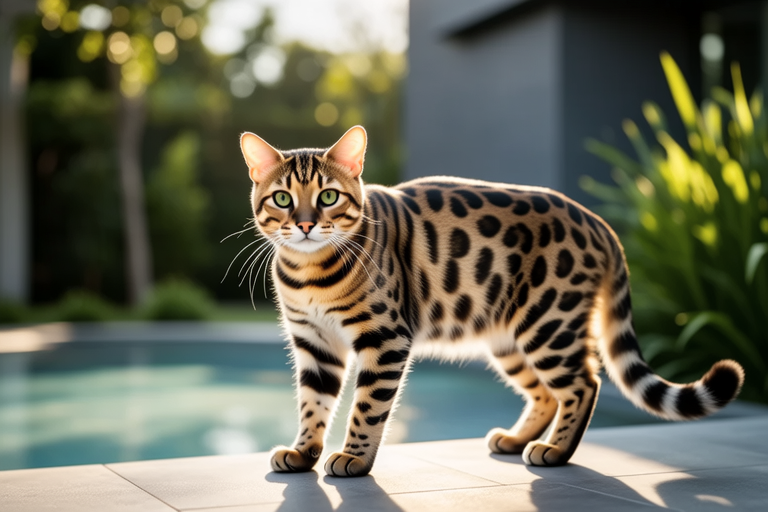
Exploring the Unique Traits of Bengal Cats
Bengal cats are a fascinating blend of wild and domestic, offering a unique combination of traits that make them stand out among other domestic cat breeds. Their striking appearance, energetic personality, and intelligent nature have made them increasingly popular among cat enthusiasts. This article delves into the origins, physical characteristics, behavior, care requirements, and interaction with humans of Bengal cats, providing a comprehensive overview of what makes them such exceptional pets.
Origins and Wild Ancestry
The Bengal cat is a relatively new breed, developed through selective breeding between Asian leopard cats (ALCs) and domestic cats. The breeding program began in the 1960s, aiming to create a domestic cat with the appearance and some of the behaviors of its wild ancestors. Jean Mill, an American breeder, is credited with laying the foundation for the Bengal cat breed. Her efforts resulted in a cat that is both visually stunning and highly adaptable to life as a pet.
The Asian leopard cat, a small wild feline native to parts of Asia, is the primary ancestor of the Bengal cat. These wild cats have a naturally spotted coat, which has been selectively bred into the Bengal cat, resulting in their distinctive appearance. Despite their wild heritage, Bengal cats are entirely domesticated and do not pose any threat to humans or other animals when properly socialized and raised in a home environment.
Physical Characteristics
Bengal cats are known for their sleek, muscular bodies, medium to large size, and striking coat patterns. They typically weigh between 7 to 15 pounds, with males being larger than females. Their most distinguishing feature is their coat, which comes in two main color variations: brown tabby and snow. The brown tabby variety features rosette spots, similar to those seen on leopards, while the snow variation has a more muted, cream-colored base with pale spots.
Another notable physical trait of Bengal cats is their thick, luxurious fur, often described as having a “pelt-like” texture. This characteristic, combined with their vibrant coat patterns, gives them a wild and exotic appearance. Their eyes are almond-shaped and can range in color from green to gold, further enhancing their striking looks. Additionally, Bengal cats possess strong, agile bodies, making them excellent climbers and jumpers.
Energetic and Playful Nature
Bengal cats are renowned for their high energy levels and playful disposition. They are curious, adventurous, and always ready for a game. Their wild ancestry plays a significant role in shaping their active lifestyle, as they retain many of the hunting instincts of their ALC ancestors. This means that Bengal cats require plenty of mental and physical stimulation to stay happy and healthy.
To keep a Bengal cat entertained, it’s essential to provide them with interactive toys, puzzle feeders, and climbing structures. These cats enjoy playing fetch, chasing laser pointers, and exploring new environments. Their playful nature also extends to their interactions with humans, making them delightful companions for families and individuals who can meet their activity needs.
Intelligence and Adaptability
Bengal cats are highly intelligent and quick learners, which contributes to their adaptability as pets. They can be trained to perform simple tricks, use a scratching post instead of furniture, and even walk on a leash. Their intelligence also allows them to quickly adjust to new environments and situations, making them suitable for various living conditions.
One of the most remarkable aspects of Bengal cats is their ability to form strong bonds with their human companions. They are affectionate, loyal, and often seek out human interaction. However, it’s important to note that their independent streak may sometimes lead them to prefer solitude over constant attention. This balance between independence and companionship makes them well-suited for people who appreciate a cat’s company but also value their space.
Interaction with Humans
Bengal cats are generally friendly towards humans, especially if they are socialized from a young age. They enjoy being around people and often seek out affectionate interactions, such as cuddling, petting, and playtime. However, their wild heritage can sometimes result in a more cautious approach when meeting strangers. Early socialization is crucial to ensure that Bengal cats feel comfortable around different people and in various settings.
Training Bengal cats requires patience, consistency, and positive reinforcement. Using treats, praise, and gentle encouragement can help them learn new behaviors and commands. It’s important to establish clear boundaries and rules early on to prevent unwanted behaviors, such as scratching furniture or jumping onto countertops. With proper training, Bengal cats can become well-behaved and enjoyable companions.
Care Requirements
Bengal cats have specific care requirements due to their active nature and unique physical characteristics. Regular grooming is necessary to maintain their luxurious coats, especially during shedding seasons. Brushing their fur once or twice a week can help remove loose hair and prevent matting. Additionally, regular veterinary check-ups, vaccinations, and parasite control are essential to ensure their overall health and wellbeing.
A balanced diet that meets their nutritional needs is vital for maintaining their energy levels and muscle development. High-quality cat food that provides adequate protein, vitamins, and minerals is recommended. Fresh water should always be available, and it’s advisable to avoid feeding them human food, as it can cause digestive issues.
Common Health Concerns
Bengal cats are generally healthy, but like all breeds, they are prone to certain health issues. Hypertrophic cardiomyopathy (HCM), a heart condition that causes thickening of the heart muscle, is one of the most common concerns. Regular veterinary check-ups, including cardiac screenings, can help detect HCM early and manage it effectively.
Another potential health issue is patellar luxation, a condition where the kneecap dislocates from its normal position. This can lead to discomfort and mobility problems. Maintaining a healthy weight and avoiding excessive jumping can help reduce the risk of patellar luxation. Genetic testing can also identify carriers of certain genetic disorders, allowing breeders to make informed decisions about breeding pairs.
Conclusion
Bengal cats are a captivating breed with a unique combination of traits that set them apart from other domestic cat breeds. Their wild ancestry, distinctive spotted coat patterns, energetic and playful nature, intelligence, and adaptability make them exceptional pets for the right owner. By understanding their origins, physical characteristics, behavior, care requirements, and interaction with humans, prospective Bengal cat owners can provide them with the love, attention, and care they deserve. With proper training, socialization, and care, Bengal cats can become loving and loyal companions, bringing joy and excitement to their human families.