
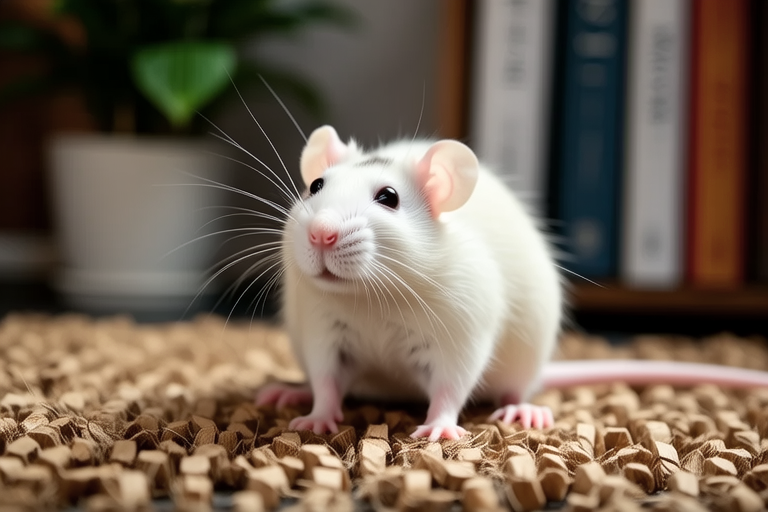
The Ultimate Guide to Raising a Happy and Healthy Fancy Rat at Home
Welcome to the world of fancy rats! These intelligent, social, and playful creatures can bring endless joy to your home. However, raising a happy and healthy rat requires careful consideration and commitment. This guide will walk you through everything you need to know to ensure your pet rat thrives.
Choosing the Right Cage Setup
The first step in providing a suitable living environment for your fancy rat is selecting the right cage. The cage should be large enough to allow your rat ample space to move around, explore, and play. A minimum size of 24 inches by 18 inches by 18 inches (60cm x 45cm x 45cm) is recommended for a single rat, with additional space needed for each additional rat.
Adequate ventilation is crucial, so choose a cage with good airflow but no drafts. Wire cages are popular choices as they allow for easy cleaning and provide natural ventilation. However, ensure that the wire spacing does not allow your rat to squeeze through or get its head stuck. Plastic-bottomed cages are also an option, but they may require more frequent cleaning due to urine absorption.
Bedding is another important aspect of the cage setup. Avoid cedar and pine shavings as they can irritate your rat’s respiratory system. Instead, opt for paper-based bedding, recycled newspaper products, or aspen shavings. Regularly clean the cage, removing soiled bedding and replacing it with fresh material every few days.
Essential Dietary Needs
Fancy rats have specific dietary requirements to maintain their health and vitality. A balanced diet should consist of high-quality commercial rat food, which provides essential nutrients like protein, fat, carbohydrates, vitamins, and minerals. Supplement this with fresh vegetables, fruits, and occasional treats.
Leafy greens such as spinach, kale, and romaine lettuce are excellent sources of vitamins and minerals. Offer small amounts of fruits like apples, berries, and bananas as occasional treats. Avoid feeding your rat foods high in sugar, salt, or fat, as these can lead to obesity and other health issues.
Ensure access to fresh water at all times. Use a sipper bottle or heavy-duty water dish to prevent spills. Clean and refill the water source daily to maintain hygiene.
Exercise and Playtime Requirements
Rats are active animals that require regular exercise to stay healthy and happy. Provide toys and accessories within the cage to encourage physical activity. Tunnels, hammocks, and chew toys can stimulate their minds and bodies. Rotate toys periodically to keep things interesting.
Supplement cage activities with supervised playtime outside the cage. This allows your rat to explore new environments, burn off excess energy, and bond with you. Ensure the area is rat-proofed, free from hazards, and safe for exploration.
Grooming Tips
Grooming is essential for maintaining your rat’s hygiene and overall well-being. Regular brushing helps remove loose fur and prevents hairballs. Use a soft-bristled brush or a damp washcloth to gently stroke your rat’s coat. Be gentle around sensitive areas like the face and ears.
Trimming nails is necessary to prevent overgrowth and discomfort. Use nail clippers designed for small animals, and be cautious not to cut into the quick, which contains blood vessels and nerves. If unsure, consult a veterinarian for guidance.
Common Health Issues and Prevention
Despite proper care, rats may still encounter health issues. Respiratory infections, tumors, and dental problems are among the most common concerns. Early detection and treatment are crucial for managing these conditions effectively.
To prevent health issues, maintain a clean living environment, provide a balanced diet, and schedule regular veterinary check-ups. Vaccinations are not typically required for pet rats, but routine examinations can help catch potential problems before they become severe.
Socialization Techniques
Rats are social animals that thrive in the company of others. Housing multiple rats together can promote companionship, reduce stress, and enhance their quality of life. Introduce new rats gradually to allow them to acclimate to one another. Monitor interactions closely to ensure compatibility.
Handling and interacting with your rats regularly is vital for socialization. Spend time playing and engaging with them to build trust and strengthen bonds. Positive reinforcement techniques, such as offering treats and praise, can encourage desirable behaviors and make handling easier.
Advice on Handling and Training
Proper handling is essential for ensuring both your safety and your rat’s comfort. Approach your rat calmly and gently, allowing it to become accustomed to your presence. Support its body with one hand under its chest and the other supporting its hindquarters when lifting.
Training can enhance the relationship between you and your rat. Teach basic commands using positive reinforcement methods. Reward desired behaviors with treats and praise to encourage repetition. Consistency and patience are key to successful training.
Importance of Regular Vet Check-Ups and Mental Stimulation
Regular veterinary check-ups are crucial for monitoring your rat’s health and addressing any concerns promptly. Establish a relationship with a veterinarian experienced in exotic pets to ensure your rat receives appropriate care.
Mental stimulation is equally important for maintaining your rat’s well-being. Provide a variety of toys, puzzles, and activities to engage their minds. Rotate items periodically to keep things interesting and prevent boredom.
In conclusion, raising a happy and healthy fancy rat involves creating a stimulating and enriching environment, providing proper nutrition, and ensuring regular medical care. By following these guidelines, you can enjoy a rewarding companionship with your beloved pet.