
The Truth Behind the Scottish Fold’s Cuddly Appeal – It’s Not Just the Ears!
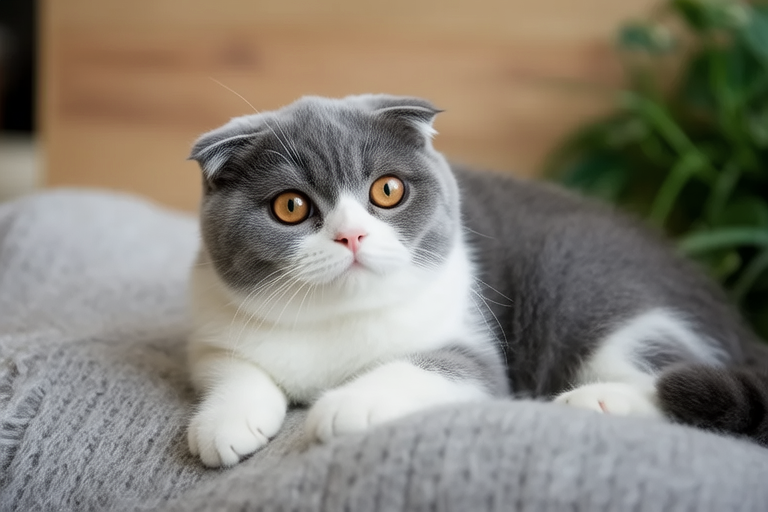
With their big, wide-set eyes and irresistibly folded ears that tilt forward like tiny satellite dishes, Scottish Folds have captured hearts worldwide. Their unique appearance—often described as “elfin” or “cute”—has made them a favorite among cat lovers, social media influencers, and pet adopters alike. But behind this endearing charm lies a complex genetic story—one that raises serious ethical and health concerns. While their adorable looks are undeniably captivating, the very feature that defines them is rooted in a painful condition. This article explores the truth behind the Scottish Fold’s appeal, delving into the genetics, health implications, and responsibilities of ownership to help potential owners make informed, compassionate decisions.
The Genetics and Anatomy Behind the Folded Ears
The defining trait of the Scottish Fold—the ear that folds forward and downward—is the result of a spontaneous, dominant genetic mutation first discovered in a barn cat named Susie in 1961 on a farm in Perthshire, Scotland. This mutation affects the cartilage development in the ears, causing them to fold at the point where the ear meets the head.
According to Dr. Sarah Thompson, a veterinary geneticist at the University of Edinburgh’s Royal (Dick) School of Veterinary Studies, “The gene responsible is a dominant mutation in the TGF-β3 gene, which regulates cartilage formation. In cats with one copy of the mutated gene (heterozygous), the ears fold—but only partially. Cats with two copies (homozygous) often suffer from severe skeletal deformities and are not viable for long-term life.”
This means that while many Scottish Folds appear healthy and normal, the underlying condition—osteochondrodysplasia—is present in all individuals carrying the gene. Osteochondrodysplasia is a disorder characterized by abnormal development of cartilage and bone, leading to progressive joint degeneration and pain. The folded ears are just the most visible sign of a much broader issue affecting the entire skeletal system.
Health Challenges: Beyond the Ears
While the folded ears may be the breed’s most striking feature, they are also a red flag for a range of health complications. According to the British Veterinary Association (BVA), Scottish Folds are prone to early-onset arthritis, joint stiffness, and chronic pain due to malformed bones and joints.
Dr. James Reed, a feline specialist at the American Veterinary Medical Association, explains: “These cats often develop osteoarthritis as early as two to three years of age. The cartilage doesn’t form properly, so the joints wear down faster. You might see them limping, avoiding jumps, or becoming less active than other cats.” In severe cases, the condition can lead to crippling deformities in the legs, spine, and tail—sometimes resulting in shortened lifespans.
Moreover, the altered ear structure increases the risk of ear infections. Because the ear canal is more obstructed, wax and debris can accumulate, creating a breeding ground for bacteria and yeast. Without proper care, these infections can become chronic and painful.
It’s important to note that not all Scottish Folds are equally affected. Those with only one copy of the folded-ear gene (heterozygous) typically show milder symptoms compared to those with two copies (homozygous), who are often born with severe malformations and may not survive beyond a few weeks. However, even heterozygous cats face lifelong risks, and there is no way to predict the severity of symptoms in individual cats.
Behavioral Traits: Affectionate Companions with Unique Personalities
Despite the health challenges, Scottish Folds are widely admired for their affectionate and gentle nature. They tend to be highly social, enjoy human interaction, and often follow their owners from room to room. Many owners describe them as “dog-like” in their loyalty and desire for companionship.
Feline behaviorist Laura Chen notes: “Scottish Folds are known for their calm demeanor and strong attachment to their families. They thrive on routine and often seek out lap time, making them excellent companions for people seeking a cuddly, interactive pet.” Their intelligence and curiosity also make them responsive to training and playtime, especially when engaged with puzzle toys or interactive games.
However, experts caution that their affectionate nature should not overshadow their physical limitations. A cat in pain may still want to interact—but it may struggle to do so comfortably. Owners must be vigilant about signs of discomfort such as reluctance to jump, stiffness after resting, or changes in grooming habits.
Ethical Considerations: Breeding Practices and Animal Welfare
The popularity of Scottish Folds has led to widespread breeding, often prioritizing appearance over well-being. Major animal welfare organizations—including the RSPCA, the World Small Animal Veterinary Association (WSAVA), and the UK’s Blue Cross—have raised concerns about the ethics of breeding cats with known genetic disorders.
In 2018, the WSAVA issued a position statement advising against the breeding of Scottish Folds due to the high prevalence of osteochondrodysplasia. The organization emphasized that “breeding animals with known inherited diseases for cosmetic traits is ethically indefensible and violates principles of animal welfare.”
Yet, despite these warnings, some breeders continue to produce Scottish Folds, often marketing them as “healthy” or “perfectly fine.” This misinformation fuels demand and perpetuates the cycle of suffering. In contrast, reputable breeders now avoid breeding two folded-ear cats together and instead advocate for the use of straight-eared Scottish Folds (the original type) in breeding programs to reduce genetic risk.
Experts stress that the true cost of owning a Scottish Fold isn’t just financial—it’s emotional and ethical. As Dr. Thompson puts it, “Every time we breed a cat with a known genetic condition for its looks, we’re choosing aesthetics over health. That’s not just irresponsible—it’s cruel.”
Responsible Ownership: What Potential Owners Should Know
If you’re drawn to the Scottish Fold’s charm, it’s crucial to approach the decision with full awareness of the risks. Here are practical steps to ensure you’re making a compassionate choice:
- Choose a Reputable Breeder: Seek breeders who prioritize health screening and avoid mating two folded-ear cats. Ask for genetic testing records and health clearances for both parents.
- Opt for a Straight-Eared Scottish Fold: These cats have the same friendly temperament but lack the folded-ear gene, meaning they won’t pass on the condition to offspring.
- Prioritize Health Monitoring: Schedule regular vet check-ups focused on joint health. Early detection of arthritis can improve quality of life through diet, supplements, and pain management.
- Provide a Cat-Friendly Environment: Minimize high jumps, provide low-sided litter boxes, and ensure soft bedding to reduce strain on joints.
- Support Ethical Advocacy: Spread awareness about the breed’s health issues and support policies that ban or restrict breeding practices involving genetically compromised animals.
Many rescue organizations now specialize in rehoming Scottish Folds with health needs, offering loving homes to cats that might otherwise be abandoned due to medical costs or behavioral challenges. Adopting from a rescue not only saves a life but also sends a powerful message against unethical breeding.
Conclusion: Love Without Compromise
The Scottish Fold is undeniably enchanting—a living embodiment of whimsy and charm. But their appeal shouldn’t come at the cost of suffering. Their folded ears are a beautiful anomaly, yes—but they are also a symptom of a deeper biological reality: a genetic flaw that compromises their well-being.
True love for pets isn’t about how they look; it’s about understanding their needs, respecting their biology, and ensuring their lives are filled with comfort and dignity. By choosing responsible ownership, supporting ethical breeding practices, and advocating for animal welfare, we can celebrate the Scottish Fold’s unique personality without glorifying its health risks.
Let us cherish these cats not for their ears—but for their warmth, their curiosity, and their capacity to bring joy. And let us do so with compassion, knowledge, and a commitment to doing what’s right—for them, and for the future of animal welfare.
After all, the most enduring kind of cuteness isn’t found in a genetic mutation—it’s found in the choices we make every day to protect and honor the lives of our beloved companions.