
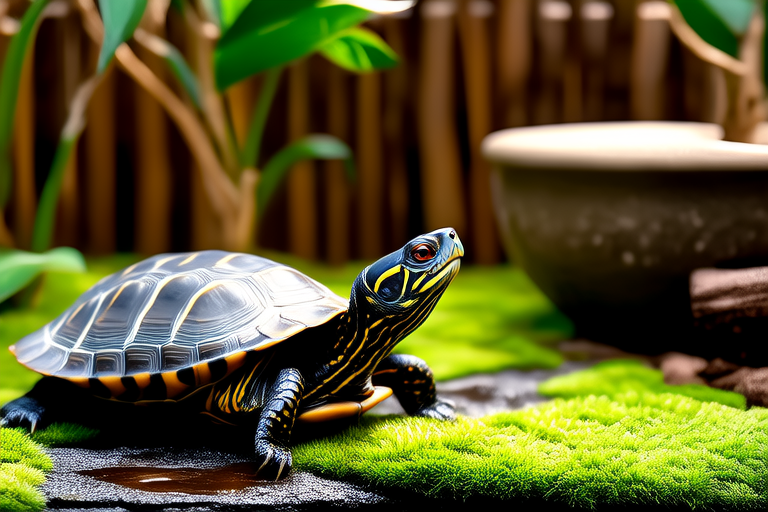
How to Create an Ideal Habitat for Your Three-Striped Box Turtle at Home
Three-striped box turtles are captivating reptiles that require specific environmental conditions to thrive. As a responsible pet owner, it is crucial to understand their unique needs and provide them with an ideal habitat. This guide will walk you through the process of setting up a suitable home for your three-striped box turtle, ensuring they remain healthy and happy.
Habitat Setup
The first step in creating an ideal habitat for your three-striped box turtle is selecting an appropriate enclosure. These turtles need ample space to move around comfortably, so a large terrarium or outdoor enclosure is necessary. For indoor setups, a minimum size of 4 feet by 2 feet is recommended, while outdoor enclosures should be at least 8 feet by 4 feet.
When choosing the type of enclosure, consider both the turtle’s behavior and your own convenience. Glass aquariums are popular choices for indoor habitats due to their visibility and ease of cleaning. However, they can be prone to overheating, so ensure proper ventilation. Alternatively, plastic or fiberglass enclosures offer better insulation and are less likely to overheat. Outdoor enclosures should have sturdy walls to prevent escapes and protect against predators.
Temperature and Humidity Requirements
Maintaining optimal temperature and humidity levels is critical for your three-striped box turtle’s health. The ambient temperature within the enclosure should range between 75°F and 85°F (24°C to 29°C) during the day and drop slightly at night to around 65°F to 70°F (18°C to 21°C). Use a reliable thermometer to monitor these temperatures accurately.
Providing a basking spot is essential for your turtle’s well-being. Place a heat lamp or ceramic heater on one side of the enclosure, ensuring the basking area reaches approximately 90°F to 95°F (32°C to 35°C). This allows your turtle to regulate its body temperature effectively.
Humidity levels should be maintained between 60% and 80%. Too much moisture can lead to respiratory issues, while too little can cause dehydration. To achieve this balance, mist the enclosure daily or install a humidifier. Additionally, incorporating a water dish large enough for your turtle to soak in will help maintain humidity levels and provide hydration.
Appropriate Substrate Types
Selecting the right substrate is vital for your three-striped box turtle’s comfort and overall health. Avoid using gravel, sand, or small particles that could be ingested accidentally. Instead, opt for safer options such as coconut fiber, cypress mulch, or reptile-safe bark chips. These substrates retain moisture well, promoting healthy skin and preventing dryness.
For outdoor enclosures, natural soil mixed with compost can create a more authentic environment. Ensure the soil is free from harmful chemicals and pesticides. Regularly check the substrate for cleanliness and replace it as needed to prevent bacterial growth and contamination.
Lighting Needs
Your three-striped box turtle requires exposure to ultraviolet (UV) light to synthesize vitamin D3, which aids in calcium absorption. Providing UVB lighting is essential for maintaining strong bones and preventing metabolic bone disease. Choose a high-quality UVB bulb designed specifically for reptiles and position it no more than 12 inches above the basking area.
In addition to UVB lighting, full-spectrum lighting is beneficial for simulating natural daylight cycles. This helps regulate your turtle’s circadian rhythms and promotes overall well-being. Ensure the lighting system is set on a timer to mimic a 12-hour light cycle, allowing for adequate periods of darkness.
Diet Considerations
A balanced diet is crucial for the health and longevity of your three-striped box turtle. Their diet should consist of a variety of plant matter, insects, and occasional meat-based foods. Offer leafy greens like collard greens, dandelion leaves, and romaine lettuce as the primary source of vegetables. Supplement their diet with fruits such as berries, melons, and apples for added nutrients.
Include live or frozen-thawed insects such as crickets, mealworms, and waxworms as protein sources. These should be offered in moderation to avoid obesity. Occasionally, provide lean meats like chicken or beef hearts to ensure sufficient protein intake. Always gut-load feeder insects with nutritious food before offering them to your turtle to maximize nutritional value.
Vitamin and mineral supplements are also important for maintaining optimal health. Consult with a veterinarian experienced in reptile care to determine the appropriate dosage and frequency of supplementation. Over-supplementation can be harmful, so follow professional advice carefully.
Space Requirements
As previously mentioned, providing ample space is crucial for your three-striped box turtle’s physical and mental well-being. In addition to the recommended enclosure sizes, include various elements within the habitat to stimulate exploration and activity. Incorporate logs, rocks, and plants to create hiding spots and climbing opportunities. These features not only enrich the environment but also encourage natural behaviors.
Ensure there is enough open space for swimming if your turtle enjoys water activities. A shallow water dish or pond area should be provided, ensuring easy access and egress. Regularly clean the water source to maintain hygiene and prevent bacterial growth.
Safety Precautions
To safeguard your three-striped box turtle from potential hazards, take several precautionary measures. Secure all enclosures to prevent escape attempts and protect against predators. Cover the top of glass or plastic enclosures with mesh screens to prevent accidental falls or injuries from flying objects.
Avoid placing the enclosure near windows where direct sunlight can cause overheating. Position it in a cool, shaded area away from drafts and extreme temperatures. Regularly inspect the enclosure for any signs of wear or damage, replacing components as necessary to ensure your turtle’s safety.
Lastly, handle your turtle gently and infrequently to minimize stress. When handling is necessary, support their entire body, especially their shell, to prevent injury. Wash your hands thoroughly before and after interaction to maintain hygiene and prevent the spread of bacteria.
Maintaining a Healthy Environment
Creating and maintaining an ideal habitat for your three-striped box turtle involves ongoing effort and attention to detail. Regularly monitor temperature, humidity, and lighting levels, adjusting as needed to ensure optimal conditions. Clean the enclosure regularly, removing waste and debris promptly to prevent contamination.
Observe your turtle’s behavior and health closely, noting any changes in appetite, activity level, or appearance. Early detection of potential issues can lead to timely intervention and improved outcomes. Schedule routine veterinary check-ups with a reptile specialist to address any concerns and receive professional guidance tailored to your turtle’s specific needs.
By following these guidelines and providing a nurturing environment, you can ensure your three-striped box turtle thrives in its new home. With proper care and attention, your turtle will enjoy a long and healthy life, bringing joy and companionship to your household.