
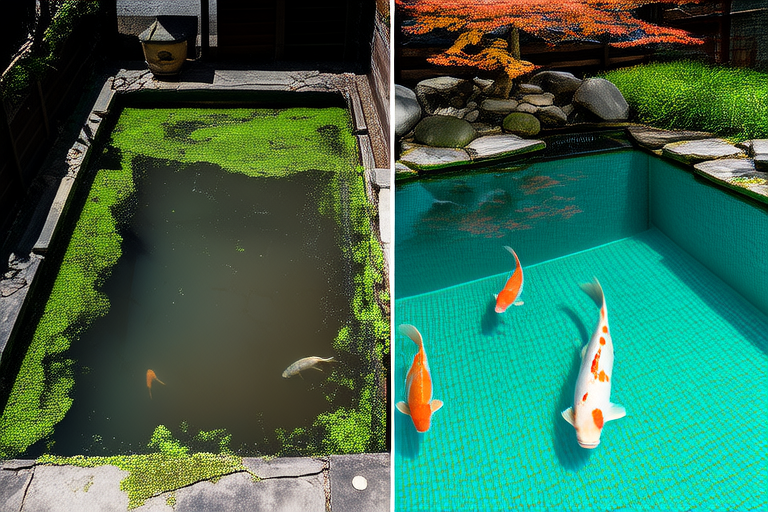
Koi Transformation: Before and After Stories of Stunning Pond Makeovers
Transforming a koi pond from a neglected eyesore into a vibrant aquatic oasis is a journey that requires dedication, creativity, and knowledge. This article delves into captivating narratives of pond transformations, highlighting the challenges faced, solutions implemented, and the positive impact on koi health and appearance. We also provide expert advice on pond maintenance and tips for aspiring pond owners.
The Journey Begins: Identifying the Challenges
Before any transformation can take place, it’s crucial to assess the current state of the pond. One common issue is poor water quality, often due to inadequate filtration systems or overstocking of fish. Another frequent problem is algae growth, which can be exacerbated by excess nutrients in the water. Additionally, many ponds suffer from improper oxygenation, leading to stress and health issues for the koi.
Take, for example, the case of Mr. Thompson, who inherited his grandmother’s old koi pond. Upon inspection, he found that the pond was murky with green algae, and the koi looked lethargic. The filtration system was outdated, and the pond lacked sufficient aeration. These conditions were far from ideal for the koi’s health and well-being.
Expert Solutions for Koi Habitat Improvement
To address these challenges, experts recommend several key steps. First, upgrading the filtration system is essential. A high-quality filter will remove debris, excess nutrients, and harmful bacteria, thereby improving water clarity and reducing algae growth. Second, installing an efficient aeration system ensures that the pond has adequate oxygen levels, promoting healthy koi behavior and metabolism.
Mr. Thompson decided to invest in a modern biological filter and an air pump with diffusers. He also added a UV sterilizer to combat algae. Within weeks, the water became clearer, and the koi began to show signs of improved health and vitality.
The Power of Plant Life
Integrating plants into the pond ecosystem can significantly enhance its beauty and functionality. Aquatic plants like water lilies and lotus provide shade, oxygenate the water, and absorb excess nutrients that would otherwise fuel algae growth. They also offer hiding spots for koi, reducing stress and promoting natural behaviors.
In another instance, Mrs. Davis transformed her backyard pond by adding floating and submerged plants. She chose hardy varieties such as water hyacinth and anacharis. Not only did the plants improve water quality, but they also created a serene and picturesque environment. The koi flourished, displaying their vibrant colors more prominently than ever before.
Designing for Aesthetics and Functionality
When redesigning a koi pond, it’s important to balance aesthetics with functionality. Consider incorporating features like waterfalls, fountains, or cascades to enhance the visual appeal while simultaneously improving circulation and oxygenation. Additionally, thoughtful placement of rocks and gravel can create a natural, inviting habitat for the koi.
Mr. Lee took this approach when renovating his pond. He installed a cascading waterfall and incorporated smooth river rocks throughout the bottom. The result was a stunning display of flowing water and colorful fish, all set against a backdrop of lush greenery. The koi thrived in their new environment, exhibiting increased activity and better overall health.
Maintaining the Perfect Environment
Once the pond transformation is complete, ongoing maintenance is necessary to ensure the koi continue to thrive. Regular water testing helps monitor pH levels, ammonia, nitrite, and nitrate concentrations. Adjustments may be needed to maintain optimal conditions. Additionally, periodic cleaning of filters and skimmers prevents clogs and maintains efficient operation.
Experts advise pond owners to perform partial water changes every few weeks, removing about 20% of the water and replacing it with fresh, dechlorinated water. This practice helps dilute accumulated toxins and replenishes essential minerals. Feeding koi a balanced diet rich in protein and vitamins supports their immune systems and contributes to their vibrant coloration.
Tips for Aspiring Pond Owners
If you’re considering creating your own koi pond, start by researching local regulations regarding water usage and fish stocking. Consult with professionals who specialize in pond design and construction to ensure proper planning and execution. Choose high-quality materials and equipment to minimize future repairs and maximize longevity.
Remember that patience is key during the initial setup phase. It may take time for beneficial bacteria to establish themselves within the filtration system, a process known as cycling. During this period, avoid introducing too many fish until the water parameters stabilize.
Conclusion: Inspiring Change
These stories of pond makeovers demonstrate the transformative power of dedication and expertise in creating ideal environments for koi. By addressing common challenges head-on and implementing expert solutions, pond owners can witness remarkable improvements in both the aesthetic appeal and the health of their aquatic inhabitants. With proper maintenance and attention to detail, every koi pond has the potential to become a breathtaking sanctuary for years to come.