
From Tiny Tails to Vibrant Scales: The Complete Leopard Gecko Experience
Welcome to the captivating world of the leopard gecko, a charming and increasingly popular pet among reptile enthusiasts. With their distinctive tiny tails and vibrant scales, these small lizards offer a unique blend of beauty and ease of care. Leopard geckos have become a favorite for both beginners and seasoned herpetologists, thanks to their docile temperament and low-maintenance lifestyle. In this comprehensive guide, we’ll explore everything you need to know about these fascinating creatures, from their physical characteristics to their care requirements and behaviors.
The Unique Charm of Leopard Geckos
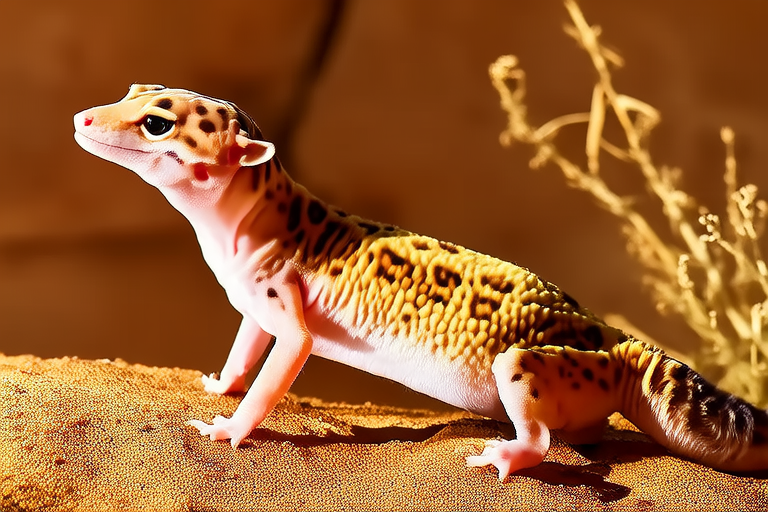
Leopard geckos are native to the arid regions of Afghanistan, Pakistan, and parts of India. Their striking appearance, marked by bold spots and patterns that resemble those of a leopard, makes them visually appealing. These geckos are relatively small, typically growing to around 8 to 11 inches in length, which includes their diminutive tails. Their vibrant scales come in a variety of colors, including yellow, orange, and white, often with black or dark brown spots. This combination of coloration and pattern gives them a unique and attractive look that many find irresistible.
Physical Characteristics
One of the most notable features of the leopard gecko is its tiny tail. Unlike some other lizard species, the tail of a leopard gecko does not regenerate if lost. It serves as a fat reserve, helping the gecko survive during periods when food may be scarce. The tail’s size and shape contribute significantly to the gecko’s overall appearance, making it a key part of its charm.
Another striking feature of leopard geckos is their vibrant scales. These scales can range from smooth and glossy to slightly rough, depending on the individual’s genetics and environment. Leopard geckos come in a wide array of morphs, each displaying unique variations in color and pattern. Some common morphs include high yellow, jungle, snow, and striped. These variations make each gecko unique and add to the excitement of owning one.
Care Tips
Habitat Setup
Creating the right habitat is crucial for the well-being of your leopard gecko. A 10-gallon tank is sufficient for a single adult gecko, but larger tanks provide more space for exploration and exercise. The enclosure should have a secure lid to prevent escape and ensure safety. Use a substrate that is easy to clean and poses no risk of ingestion, such as paper towels or reptile carpet. Avoid substrates like sand or gravel, which can cause impaction if ingested.
Temperature control is essential for maintaining a healthy environment. Leopard geckos require a temperature gradient within their enclosure, ranging from 75°F to 90°F. A heat lamp or under-tank heater can be used to create a warm spot on one side of the tank, allowing the gecko to regulate its body temperature by moving between warmer and cooler areas. Additionally, provide a hide box on both the warm and cool sides of the tank to give your gecko privacy and security.
Diet
Leopard geckos are insectivores, meaning their diet consists primarily of insects. Crickets, dubia roaches, and mealworms are popular choices. It’s important to feed your gecko gut-loaded insects, which means the insects have been fed a nutritious diet before being offered to the gecko. This ensures that your gecko receives optimal nutrition. Feed juveniles daily and adults every other day, adjusting the quantity based on the gecko’s activity level and weight.
Vitamin and mineral supplementation is necessary to maintain your gecko’s health. Dust the insects with a calcium supplement containing vitamin D3 twice a week, and once a week with a multivitamin supplement. This helps prevent deficiencies that could lead to health issues such as metabolic bone disease.
Health Maintenance
Regular health checks are vital for keeping your leopard gecko in top condition. Monitor your gecko’s appetite, activity level, and overall appearance for any signs of illness. Common health issues include respiratory infections, parasites, and metabolic bone disease. Prompt veterinary care is essential if you notice any symptoms. Regular visits to a reptile-savvy veterinarian can help catch and address potential problems early.
Maintaining proper hygiene is also crucial. Clean the enclosure weekly, removing waste and replacing soiled substrate. Disinfect the tank and accessories regularly to prevent the buildup of harmful bacteria and fungi. Clean water dishes daily and provide fresh water at all times.
Behavioral Insights
Leopard geckos are primarily nocturnal, meaning they are most active during the night. They spend much of their day hiding in their hide boxes or basking in their warm spots. This nocturnal behavior makes them ideal pets for people who work during the day, as it minimizes disturbance to their daily routine.
Despite their shy nature, leopard geckos can become quite comfortable with regular handling. Start by offering treats and gentle petting sessions to build trust. Gradually increase the duration of handling sessions, ensuring your gecko remains calm and relaxed. Always support the gecko’s body when holding it to avoid injury. Over time, many geckos will tolerate being held for extended periods, making for enjoyable interactions with their owners.
Advice for Potential Owners
Considering a leopard gecko as a pet? Here are some key points to keep in mind:
- Research thoroughly: Before bringing a gecko home, familiarize yourself with its care requirements. Understanding what it needs will help ensure a happy and healthy pet.
- Prepare the enclosure: Set up the habitat correctly to provide a safe and comfortable environment for your new friend.
- Choose quality over quantity: Opt for high-quality food and supplements to meet your gecko’s nutritional needs.
- Be patient: Building trust takes time, so approach handling sessions gently and consistently.
- Seek professional advice: Consult with a veterinarian specializing in reptiles to address any health concerns and receive guidance on best practices.
Owning a leopard gecko can be a highly rewarding experience. Their unique appearance, manageable size, and relatively low maintenance requirements make them an excellent choice for pet owners looking for a delightful companion. With proper care and attention, you can enjoy years of companionship with your charming little friend.